Residential Permit Checklist — Contractor's Guide
Your complete, step-by-step guide to navigating California residential building permits — from scoping your project to scheduling final inspection.
Why Do You Need a Permit? — The Legal & Safety Case
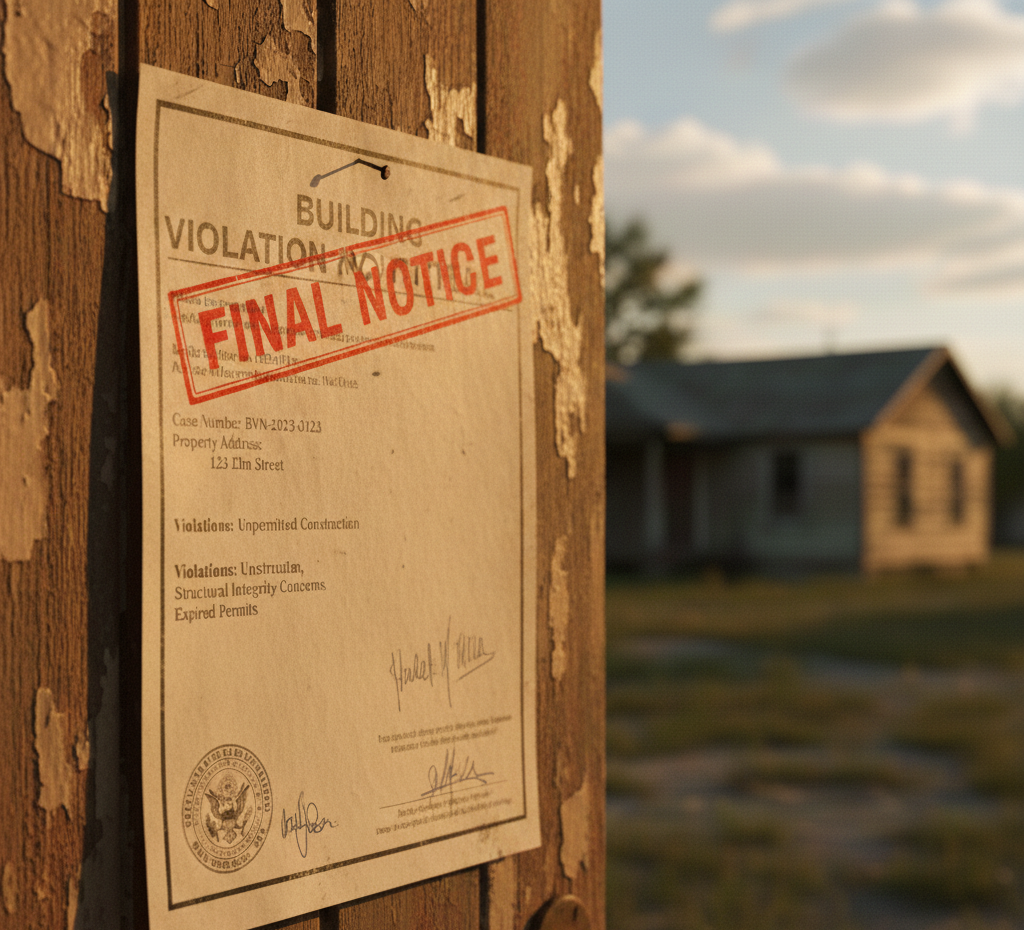
Permits are required under the California Building Code (CBC) to ensure every project meets structural, electrical, plumbing, and fire safety standards. Building without a permit risks stop-work orders, fines up to thousands of dollars, mandatory demolition of non-compliant work, and insurance claim denials. Local jurisdictions — counties and cities — each have their own supplemental rules layered on top of state code, making it essential to verify requirements before breaking ground. When in doubt, permit first, build second.
💰 Typical Permit Fee Breakdown by Project Type
Approximate California averages — actual fees vary by jurisdiction and project valuation.
📅 Permit Process Timeline
Typical durations for a standard residential permit in California — complex projects may take longer.
Submit forms + fees
Dept reviews plans
Revise & resubmit
Approved permit card
Build with permit posted
Scheduled as needed
Certificate of Occupancy
✅ Complete Permit Submission Checklist
🔍 Required Inspections by Stage
Schedule each inspection at the correct construction phase — failure to do so may require costly rework.
| Inspection Type | When to Schedule | What's Checked | Status |
|---|---|---|---|
| Foundation / Soils | After excavation, before concrete pour | Soil conditions, footing dimensions, rebar placement | Required |
| Rough Framing | After framing is complete, before sheathing | Structural members, connectors, shear walls, headers | Required |
| Rough Plumbing | After rough plumbing, before walls are closed | Pipe sizing, venting, drainage slopes, cleanouts | Mandatory |
| Rough Electrical | After rough wiring, before drywall | Wire gauges, panel connections, grounding, AFCI/GFCI | Mandatory |
| Insulation | Before drywall is installed | R-value compliance, vapor barriers, Title 24 | Required |
| Drywall / Sheathing | After drywall hung, before taping/finish | Nailing patterns, fire blocking, corner bead | Mandatory |
| Final Inspection | After ALL work is 100% complete | Full system walkthrough, life-safety, occupancy clearance | Final — Required |

Does Your Project Need a Permit? Know Before You Build
Not all work requires a permit — but anything involving structural changes, new electrical circuits, plumbing relocations, HVAC modifications, or additions to your home's footprint will. Cosmetic work like painting, flooring, and cabinet replacements typically does not.
California's building codes vary significantly by locality. Always check with your local building department before starting — municipalities can have stricter requirements than state minimums.

Getting Your Paperwork Right the First Time
Incomplete or incorrect submissions are the #1 cause of permit delays. Every application requires a completed permit application form, two sets of dimensioned site plans, architectural drawings, and energy compliance (Title 24) documentation.
Trade work requires separate forms: electrical, plumbing, and mechanical permits are issued independently, even if construction work is happening concurrently.
- 📋Completed building permit application form
- 📐Two sets of dimensioned site plans & floor plans
- ⚡Title 24 energy compliance documentation
- 🔧Separate trade permit forms (electric/plumbing/HVAC)

Submitting Your Application & What Happens Next
Submit your complete package — forms, plans, and fee payment — to the local building department's permit counter or online portal. Most California jurisdictions now offer online submission for straightforward projects.
- 1Submit full package in person or via the online portal
- 2Pay fees at time of submission (fee schedules vary)
- 3Await plan check — simple projects: 3–5 days; complex: 2–4 weeks
- 4Respond promptly to any correction requests to minimize delays
Phased Inspections — Don't Skip a Stage
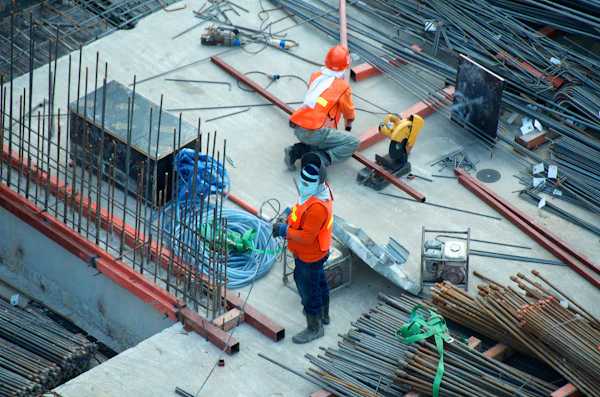
Inspections happen at specific phases of construction — not just at the end. Each phase must be approved before you move to the next. Covering work before an inspection means it will have to be uncovered at your expense.
Always post your permit card visibly on the job site. Inspectors will check for it. Schedule inspections at least 24–48 hours in advance to guarantee availability.

Final Inspection & Staying Organized After Approval
The final inspection confirms that all work matches the approved plans and that every system — structural, electrical, plumbing, mechanical, and life-safety — is fully compliant. Once passed, you'll receive your Certificate of Occupancy (C of O) if required for your project type.
After approval, retain all permits, inspection cards, and documentation permanently with your property records. Future buyers, lenders, and insurance companies will ask for proof of permitted work.